
Today's Leather is a Bit "Green"!
What's your impression of the leather industry? Strong odors, murky wastewater, energy-intensive factories… If these are the "fixed labels" you've attached to leather, it's time to tear them off yourself!
As a Gen Z, when I told my friends I worked in a "leather chemical company," their faces were practically overflowing with question marks. After all, in most people's minds, leather seems to be always associated with labels like "traditional" and "polluting." But when I actually stepped into the company, I discovered a completely different world—today's leather is surprisingly "green." This is a "green revolution" specifically for leather, starting from the production line, and we Gen Z are the most active witnesses and participants in this transformation.
Label 1: Leather = Major Polluter?
New Truth: The "Carbon" Footprint is Reducing
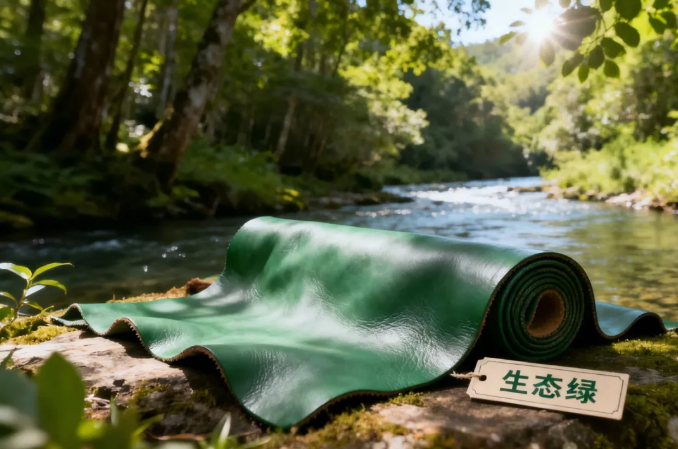
The water consumption and pollution of traditional leather making were problems the industry couldn't avoid in the past. But now, we are working from the source of the process to make its "carbon footprint" increasingly lighter.
In our work, chromium-free tanning technology is a prime example. Its simple process eliminates the need for acid soaking, making it not only environmentally friendly and metal-free, but also directly reducing energy and water consumption through streamlined processes. "Green chemistry" is not just a slogan, but a meticulous consideration of energy consumption and emissions at every stage of the process, and our company is continuously moving towards this goal. Making the leather production process cleaner and more efficient is a commitment to environmental protection and a driving force for progress. This environmentally friendly "ecological green" is our practical answer.
Tag Two: Chemicals = Pungent Odor?
New Truth: Natural and Mild Smell
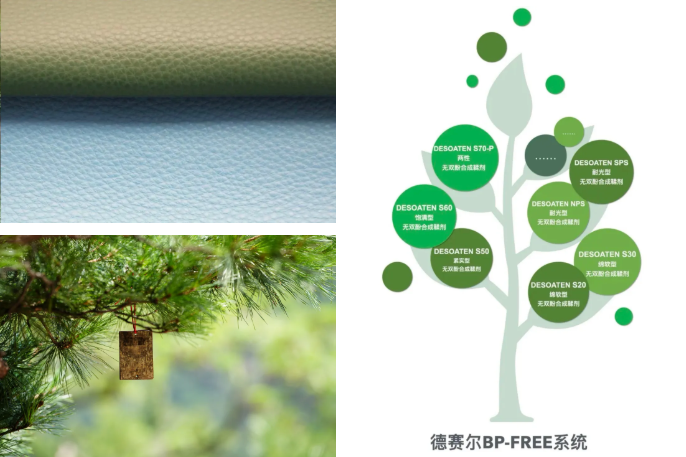
Many people's impression of chemical plants is still stuck on pungent odors, but in leather chemical companies, I see another possibility.
We are using more environmentally friendly alternatives such as bio-based materials and bisphenol-free synthetic tanning agents to make the odors and impacts in the production and application processes milder. Our company consistently adheres to a green and low-carbon direction, using technology to make leather manufacturing closer to nature. This "technological green" is a promise of "green manufacturing"—not conquering nature, but coexisting with it in a gentler way.
Tag Three: Leather Isn't Environmentally Friendly?
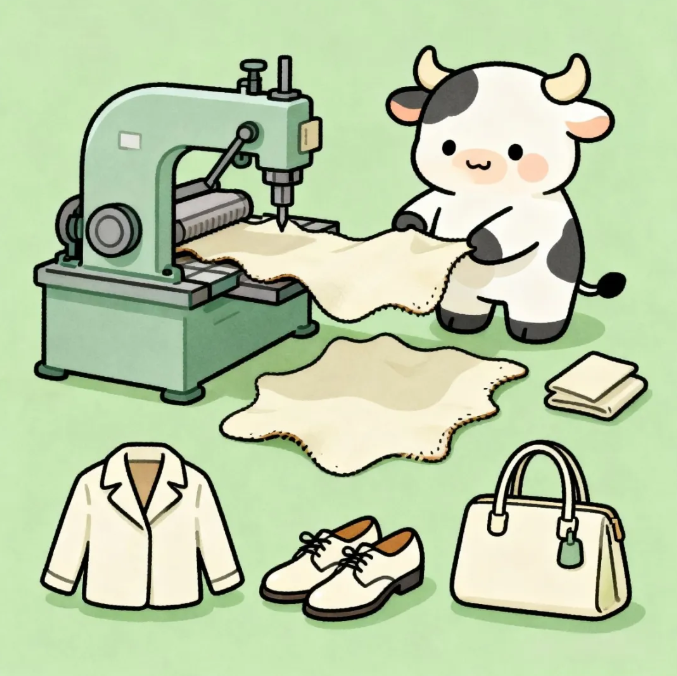
A New Truth: The Spokesperson for "Super Long Standby Time"
Is leather not environmentally friendly? This is perhaps the most outrageous misconception. Most people don't know that leather raw materials are not obtained from slaughtered animals, but rather from livestock "scraps," making it a prime example of turning waste into treasure.
Now, processed with green chemical processes, leather is more durable and easier to maintain. A leather bag, a pair of leather boots, a leather jacket can often accompany us for ten years or even longer. Its "timeless" characteristic makes it a low-key sustainable choice in today's world of rampant fast-moving consumer goods. This is the deepest "green" of leather—the enduring "green of life."
Why can't leather be "green"? When Gen Z floods the industry, they bring not only youthful energy but also a kind of tenacity: using biotechnology to combat traditional pollution, empowering the production process with circular economy concepts, and closely monitoring energy consumption reduction with digital tools. In our view, the coolest trend is never about chasing fast fashion, but about choosing quality that can last for more than ten years, and the responsible quality behind it. Labels will eventually fade, but a sustainable future will not. This "green" we painted ourselves is giving new life to the ancient leather.
