
Mink coats, with their unique texture and luxurious feel, have always been a high-end choice for winter wear. However, many consumers encounter a common problem when purchasing mink clothing: some coats of the same style remain fluffy and shiny even after years of wear, while others show signs of limpness, shedding, deformation, and wear after only a year. Industry insiders say the core reason for this difference is that consumers cannot distinguish between whole mink and patchwork mink, easily misled by low-price gimmicks and falling into consumer traps.
It is understood that many low-priced, trendy mink coats on the market are actually patchwork mink sold as whole mink. The difference between whole and patchwork mink is not simply a matter of craftsmanship; the two differ greatly in raw materials, feel, lifespan, price, and resale value, which is the key reason why consumers lose money when buying mink. Furthermore, the common misconception that "no seams mean whole mink, gaps mean patchwork" is a typical consumer misunderstanding and a common misleading tactic used by merchants.
Clarifying the Core Definition: Whole Mink Coats Use High-Quality Fur, Patchwork Mink Coats Use Scraps and Waste
Addressing common misconceptions, the fur industry has provided a proper definition, accurately distinguishing the core differences between whole mink coats and patchwork mink coats.
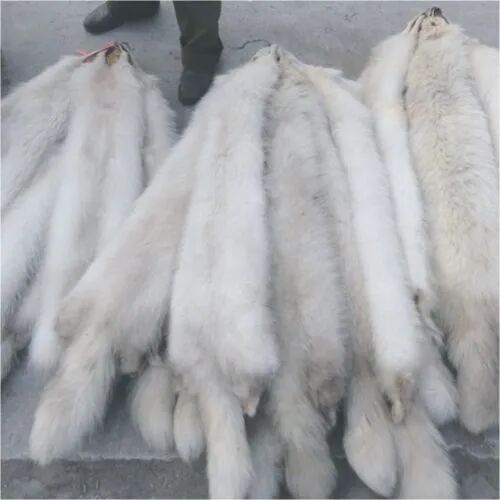
Whole mink coats, also known as full-grain mink coats, are made from large, intact mink back pelts. The head, tail, and limbs are removed during the cutting process, using only the thickest, tightest, and highest-quality core back pelt. There are no scraps, scraps, or waste pelts mixed in. A qualified whole mink coat is made from dozens of complete, large mink back pelts neatly pieced together. It's important to note that whole mink coats are not made from single mink pelts; the neat piecing together of large pelts is a standard technique in high-end mink garments and does not affect the quality or texture of the clothing.
Patchwork mink coats, also called scrap mink coats, are a product of cost-cutting measures. They mainly use scraps from the mink head, tail, paws, belly, and other small pieces of discarded pelts, densely pieced together and sewn together. These scraps of leather, with their uneven fur length, messy texture, and soft leather, are originally waste materials from mink coat production. After being machine-assembled and trimmed, they closely resemble whole mink coats, making them difficult for the average consumer to distinguish with the naked eye. Simply put, whole mink coats use high-quality core mink fur, while patchwork mink coats are made entirely from scraps, creating a significant quality difference from the very beginning.
Comprehensive Comparison: Four Core Differences Between Whole and Patchwork Mink Coats
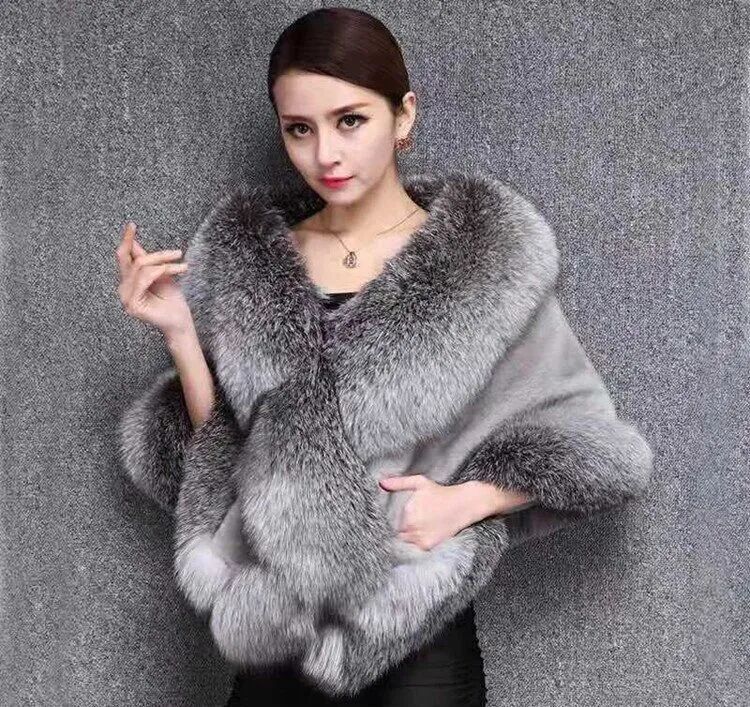
- Significant Differences in Texture and Appearance: Whole mink coats have a smooth, even fur surface, uniform and smooth texture, and consistent fur height throughout, possessing a delicate and warm sheen. The coat also has a crisp, structured silhouette, creating a slimming and luxurious look.
Patchwork mink coats, due to the use of fragmented leather, have a messy and disordered fur surface, with inconsistent fur length, density, and direction. The overall fur has a dull and lackluster sheen, the coat is soft and shapeless, and the details are uneven and patchy, making it difficult to conceal its cheap quality.
- Lifespan Difference of Tenfold
The core value of a mink coat lies in its durability and resale value. Whole mink pelts are thick, tough, and extremely resilient, resistant to cracking and peeling, with tightly rooted fur. Under normal care, they can be worn reliably for 5 to 10 years, maintaining their shape and becoming softer and shinier with wear, making them valuable for long-term wear and collection.
Patchwork mink coats are made from numerous scraps of pelt, resulting in thinner, more fragile pelts and many seams. Even slight pulling or friction can easily cause cracking, shedding, and down leakage. Most patchwork mink garments show significant signs of drooping, deformation, and hardening and aging of the pelts after only 1 to 2 years, offering virtually no re-wear value or resale value.
- Huge Price and Cost Difference
The difference in raw materials and craftsmanship creates a significant price gap. Whole mink pelts are scarce, and the complex manufacturing process results in extremely high production costs. Authentic whole mink coats generally start at tens of thousands of yuan, with top-quality purple-label whole mink coats reaching tens of thousands of yuan.
Patchwork mink coats are made from scraps and waste materials, resulting in extremely low costs—only one-third to one-fifth the price of whole mink coats. Their market price ranges from several hundred to two or three thousand yuan, making them a major category of low-priced, best-selling mink coats on e-commerce platforms.
Consumer Reminder: Understand the Essence of the Category and Avoid Mink Coat Traps
Industry experts remind consumers not to focus solely on style and price when purchasing mink coats, and not to blindly follow trends with low-priced best-sellers. When buying, it is crucial to carefully distinguish the materials and craftsmanship, understand the essential differences between whole mink and patchwork mink, avoid common misconceptions, prioritize reputable channels, and ensure the quality of materials and craftsmanship. Avoid paying high prices for inferior products due to a lack of understanding of category differences, and effectively avoid consumer traps.
