

Have you always thought that "genuine leather is more environmentally friendly" is just marketing hype?
Have you ever chosen synthetic leather when buying leather products because you're worried about environmental issues?
The latest research will completely overturn your perception!
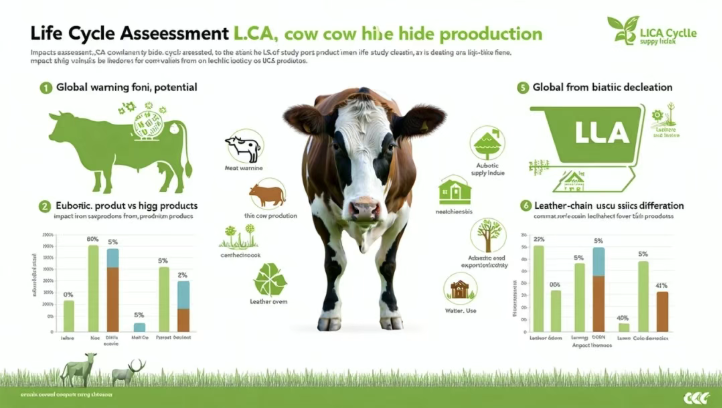
Recently, the Leather Council of America (LHCA) released a more transparent and authoritative Leather Life Cycle Assessment (LCA) report, and the results are astonishing: genuine leather's environmental performance far surpasses that of synthetic leather, and its carbon footprint is 6 times lower than previously estimated!
I. Why is this research so important?
In the past, environmental data on leather has been vague, and assessments of many "sustainable" materials lacked transparency.
However, this LHCA report, for the first time, tracks the environmental impact of leather from farms in the United States to tanneries worldwide, and fully discloses all data and methodologies—marking a revolutionary upgrade in reporting standards for the leather industry!
LHCA President Kerry Brozyna said:
"If we are to truly drive sustainable development, all material producers must provide high-quality, transparent data. Without this, so-called 'sustainability' is just 'greenwashing'."
II. Key Research Findings: Genuine Leather is Actually More Environmentally Friendly than Synthetic Leather!
This report, led by Dr. Greg Thoma's team at Colorado State University, reached a groundbreaking conclusion:
| Evaluation Dimensions |
Genuine Leather
American Raw Leather
|
Artificial Leather | Gap |
| Carbon Footprint | Low |
High
Six times the estimate
|
Genuine leather is six times lower |
| Water Use | Low | High | Genuine leather saves 50%+ water |
| Land Use | Low | High | Genuine leather saves 30%+ |
| Soil Acidification | Low | High | Genuine leather has less impact |
More importantly:
Leather is a byproduct of meat and dairy production; failing to utilize it would waste even more resources.
The environmental data for synthetic leather ("pleathers") is opaque, yet it is often touted as "more sustainable."
Simply put:
The "eco-friendly synthetic leather" you buy may be less environmentally friendly than genuine leather, but you don't know it!
III. Why do Chinese consumers need to know this truth?
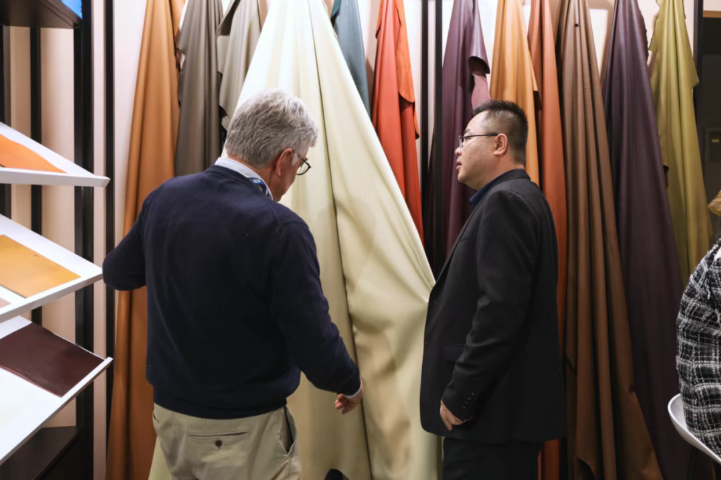
China is the world's largest leather producer, but for a long time, consumers' understanding of the environmental friendliness of leather has been misled:
Artificial leather ("pleather") is often labeled as "eco-friendly," but it actually relies on petroleum and produces microplastic pollution;
Genuine leather is mistakenly considered "highly polluting," but its carbon footprint is far lower than that of artificial leather.
| Dimension | Genuine Leather | Artificial Leather |
| Source Of Raw Materials |
Meat/dairy by-products
No additional farming required
|
Petroleum-based plastics
Non-renewable resources.
|
| Service Life |
It can last 10-20+ years
Repairable, gets better with use.
|
1-3years
Easy to crack and peel off
|
| Impact Of Abandonment | Biodegradable, natural protein | Microplastic pollution, takes hundreds of years to degrade |
| Resource Efficiency | Turning waste into treasure: Preventing 30 million hides from going to landfills every year. | New plastic waste |
IV. LHCA's "Real Leather, True Self" Initiative: More Than Just Environmental Protection, It's About Sustainable Living
LHCA's global initiative, "Real Leather. Stay Different," is quietly sparking a revolution in China:
A Shanghai designer said:
"We choose genuine leather not only for its texture, but also for its genuine environmental friendliness. This report gives us more confidence to tell consumers: genuine leather is truly sustainable."
All in all
Choosing genuine leather is not a compromise, but wisdom.
While synthetic leather is labeled "eco-friendly," genuine leather is quietly bearing a smaller carbon footprint and less water consumption.
This is not marketing, but the truth of scientific data.
LHCA's report not only vindicates the leather industry but also sets a new benchmark for global sustainable fashion.
Choosing genuine leather is not choosing "more expensive," but choosing "more sustainable."
Because true fashion never comes at the expense of the planet.
