

In the world of fashionable leather goods, patent leather, with its unique mirror-like sheen and versatility in adapting to various styles, has become an important material for interpreting modern aesthetics. From practical everyday items to exquisite accessories for evening occasions, patent leather, with its combination of practicality and beauty, continues to lead leather goods trends, offering consumers visually striking style choices.
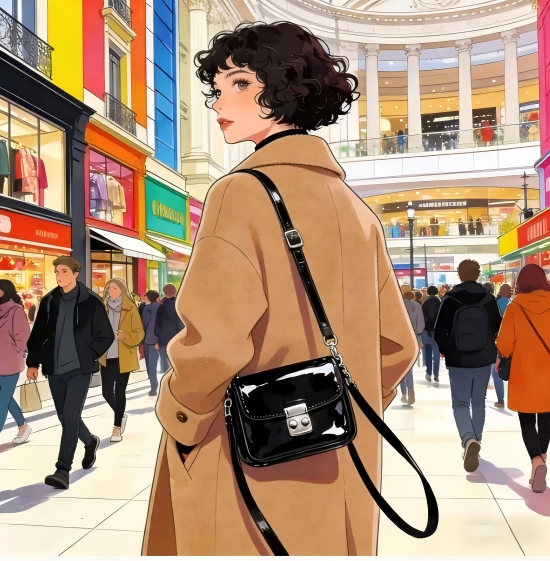
Patent leather is not a single material, but a category of leather products formed through a special coating process. Its core process involves applying a high-gloss resin coating to the surface of genuine leather (cowhide, sheepskin, etc.) or synthetic leather (PU leather, recycled leather, etc.) using varnishing or spraying techniques, ultimately creating a glossy and durable surface effect while giving the material practical properties such as water resistance, stain resistance, and wear resistance. This process was first invented by an American engineer in 1818, initially using linseed oil to create a varnish for waterproofing; the application of synthetic resins in the 1930s significantly improved the production efficiency and performance of patent leather, gradually making it a popular material in the fashion industry.
The core advantages of patent leather lie in its dual breakthroughs in appearance and performance. In terms of appearance, its surface is as glossy as a mirror, with vibrant and natural colors, creating a strong visual impact under light reflection, easily creating a fashionable, luxurious, or avant-garde style. In terms of performance, its waterproof, moisture-proof, stain-resistant, and easy-to-clean properties significantly reduce wear and tear, while the hard coating maintains the product's shape, adapting to various usage scenarios. In terms of feel, adjusting the coating thickness allows for diverse experiences; a thin coating retains the soft texture of leather, while a thicker coating provides a more structured and robust look, meeting different design needs.
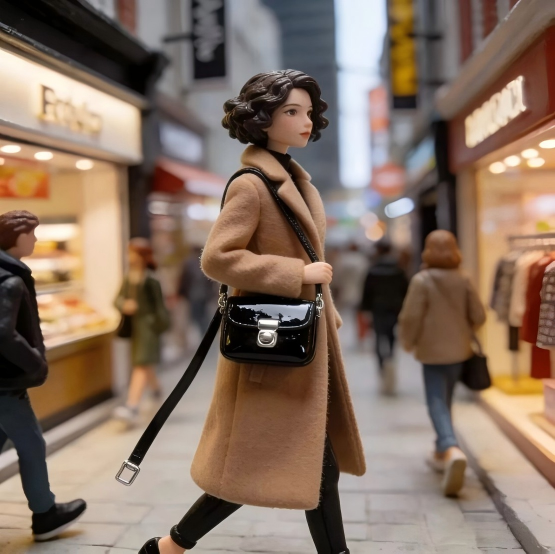
Based on the base material and surface texture, patent leather can be divided into several categories. Classified by the leather base, cowhide patent leather is thick and durable, while sheepskin patent leather is soft, lightweight, and has a delicate touch; patent leather with a PU or recycled leather base offers better value for money. Classified by surface texture, mirror-finish patent leather is smooth and textureless, exuding a simple and sophisticated feel; wrinkled patent leather has a textured feel reminiscent of shattered tempered glass, full of personality; crackled patent leather conveys a retro charm with its unique crack texture. These different categories provide rich inspiration for leather goods design.
Today, patent leather is widely used in various sectors of the fashion industry. From high heels and sneakers in footwear, to handbags, backpacks, and wallets in the bag industry, and coats and accessories in the clothing industry, patent leather is ubiquitous. In some home furnishings, the use of patent leather adds a modern touch to any space. However, patent leather care requires attention to detail: avoid high temperatures and humid environments to prevent the coating from deforming and becoming sticky; store it individually to avoid color transfer from dark-colored items; for daily cleaning, wipe away dust with a dry, soft cloth, and for stains, gently wipe with a slightly damp cloth; never use wet cloths or chemical solvents; avoid friction from sharp objects, and minor scratches can be repaired using a mixture of medicated oil and egg white with shoe polish.
From classic craftsmanship to modern fashion, patent leather has continuously evolved, retaining its practicality while expanding its stylistic boundaries. Whether interpreting the sophisticated style of urban commuting or embodying the refined luxury of formal occasions, patent leather, with its unique glossy texture, has become a key to unlocking the modern charm of leather goods, continuously injecting fresh vitality into the fashion leather goods industry.
